
On Lok Is Redefining the Conversation on Aging with Personal Stories
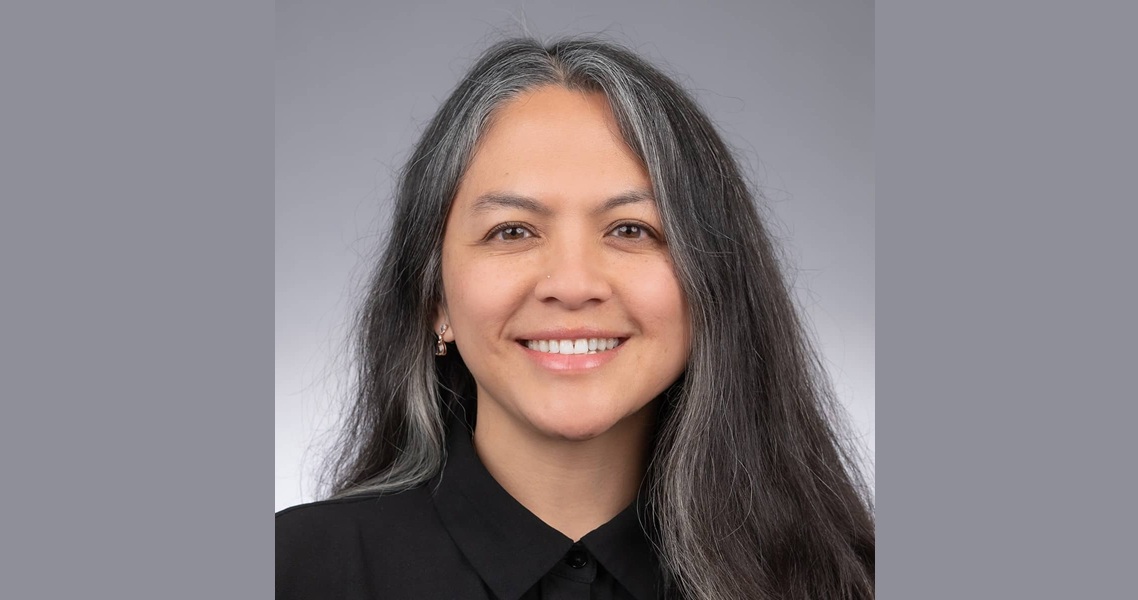
People are talking about aging everywhere: at kitchen tables, in medical exam rooms, and increasingly on podcasts. For Nicole Torres, RN, COO of On Lok, as well as a daughter, mother and nurse, it’s always a conversation from the heart. Recently, Torres appeared on two podcasts with a unifying message: aging with dignity is a community effort.
It’s a reality that Torres has experienced firsthand – as a nurse who spent over 20 years dedicated to aging, as a mother of four, and perhaps most powerfully as a daughter navigating the complex reality of caring for her parents.
For decades, the Program of All-Inclusive Care for the Elderly (PACE) has battled the problem of being the “best kept secret” in senior care. The PACE model has been proven to work, but explaining its complexity to overwhelmed families remains a hurdle. During her recent podcast appearances, Torres demonstrated a powerful way to bridge that gap by stepping away from day-to-day logistics and speaking from the heart of lived experience.
A Lifeline for Families
For many families, the journey into senior care begins with a crisis: a fall, a diagnosis, or the sudden realization that a parent can’t live alone anymore. In her conversation with Dale Corpus, host of the Simplify Senior Transitions podcast, Torres moved past the standard “interdisciplinary team, integrated care model” talking points to speak directly to the emotional reality of seniors, their caregivers, and the community-based care that supports their needs.
She unpacked the PACE model – not as a checklist of clinical services, but as a lifeline. She highlighted the one word that families consistently use after enrolling: relief. Caregivers realize they don’t have to be the sole case manager, transportation coordinator and nurse for their loved ones.
By coordinating all medical care and supportive services such as transportation, meals and social engagement, PACE doesn’t just prevent nursing home placement, it gives caregivers peace of mind, supports families spending more quality time together, and empowers seniors to live with dignity in their community.
You can view the episode on YouTube.
Sandwich Generation Reality Check
What does it mean to care for your children and your parents at the same time?
Appearing on the City Spotlight podcast, Torres opened up about her life in the “Sandwich Generation,” that squeezed demographic of adults simultaneously raising children and caring for aging parents. It is a reality for 40 percent of Americans in their 40s, yet statistics don’t fully capture the emotional burden and silent labor of the millions of family members who care for a loved one.
Torres didn’t just speak as an executive, but as a mother of four, a daughter caring for her father, and a consumer navigating the health care system. She shared candidly about the pressures that come with the role – the cognitive gymnastics of managing a career alongside school schedules and medical appointments, the financial strain of supporting two generations, and the quiet guilt of feeling like you are never doing enough for either.
You can view the episode on YouTube.
Effective Advocacy Starts with Personal Story
On Lok created the PACE model over 50 years ago in San Francisco to serve immigrant families who needed culturally responsive care. Today, that mission requires new ways of reaching and serving people.
When Torres sits down with a senior resource professional or a community broadcaster, she is doing more than explaining a health care program; she is building trust. She is proving that leadership at On Lok isn’t detached from the reality of its participants, it is fully invested in the needs of the community.
Torres didn’t come to this work from a corporate background. Her roots are in caregiving and home care visits, from the bedside, and from years of listening to the struggles and challenges of families dealing with an aging loved one. Her experience makes her voice a powerful instrument for change in the way we perceive aging and how we show up with regards to aging in our personal lives, in our work, and in our communities.
Through these conversations in the public space, she reminds us that the most effective advocacy often starts with a personal story. This microphone may be small, but the reach of a genuine, compassionate voice is anything but.